

Mervyn Fernandis: England Made Their Chances Count, India Did Not
Mervyn Fernandis: England Made Their Chances Count, India Did Not

Share

s2h team
Former India hockey star and living legend Mervyn Fernandis believes the difference between India and England in their second Pool D match was simple: England converted their opportunities, while India did not.Reflecting on India’s 2–4 defeat, Fernandis said the result raised questions about India’s man-to-man marking in dangerous areas, penalty-corner conversion and the team’s ability to capitalise on scoring opportunities.
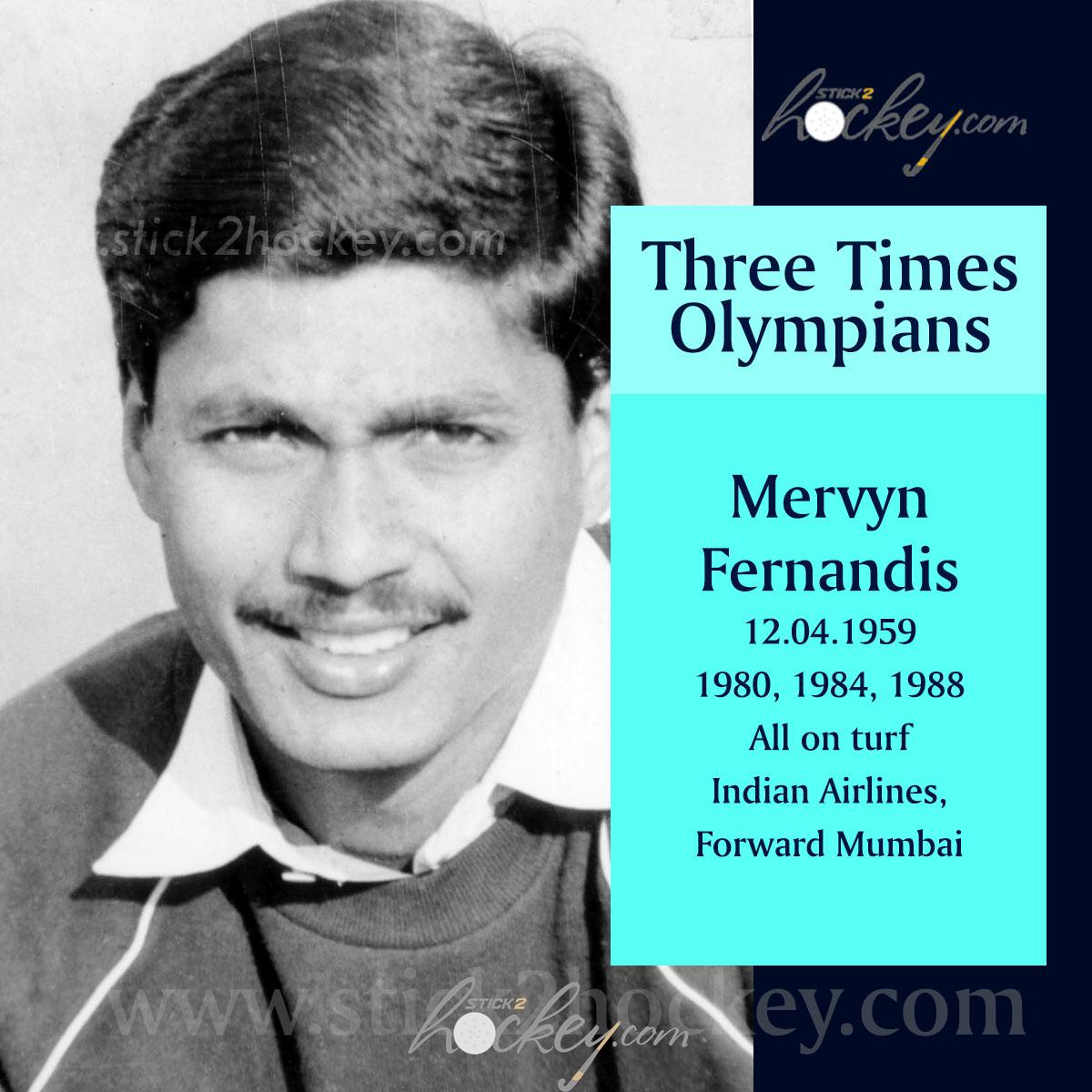
Double World Cupper and triple Olympian Mervyn Fernandis
“For me, the difference was quite simple: England made most of their chances count. India did not,” he said.
One aspect that particularly caught his attention was the increasingly important role of the overhead pass or scoop in modern hockey. Teams are using accurate 50–60-yard passes to bypass pressure and reduce unnecessary running.
“But it is not merely the length or accuracy of the pass that matters. Equally important is the receiver’s ability to control the dropping ball and bring it down safely in front of him. It is an art that most top international teams have now mastered,” Fernandis observed.
India paid a heavy price for one such lapse. An overhead pass from India’s half towards Amit Rohidas was not controlled cleanly in the attacking half. England immediately counter-attacked and punished India to take a 1–0 lead.
“At this level, mistakes can be very costly,” he said.
India responded through Harmanpreet Singh. The Indian captain made a smart referral for a penalty corner, with the review going India’s way. Harmanpreet then made no mistake, firing a powerful drag flick to the goalkeeper’s right to restore parity.
Fernandis also highlighted the growing tactical importance of referrals. With only one referral available unless retained following a successful review, teams must use it judiciously.
India’s second goal, however, was a moment of genuine quality. Abhishek played the ball to Hardik outside the circle, before Hardik intelligently returned it into the path of Abhishek, who had moved into open space. Abhishek then sent the ball across goal, where first-time World Cupper Dilpreet was perfectly positioned to score.
India 2–1 England—and India’s first field goal of the tournament.
But the advantage did not last. England levelled at 2–2 through a deflection from a long-distance pass, with Fernandis again questioning India’s marking inside the circle.
England’s effective use of the overhead pass subsequently helped them regain control and move 3–2 ahead.
India still had opportunities in the fourth quarter. A penalty-corner variation came close to producing an equaliser, while Abhishek’s fierce effort narrowly missed the post.
“Had we converted those opportunities, it could well have been a different story,” Fernandis said.
But that, he stressed, is the unforgiving nature of international hockey. Creating chances is only half the job; converting them ultimately decides matches.
England did that better and secured a 4–2 victory.
India now turn their attention to arch-rivals Pakistan on the 19th in their final Pool D match. Fernandis believes India must tighten their defensive marking, improve penalty-corner efficiency and, above all, make their opportunities count.
“I would back India to win by a two-goal margin—unless Pakistan pull a rabbit out of the hat and prove me wrong!”
That unpredictability, he added, is precisely what makes an India–Pakistan hockey encounter so fascinating. Once the two sides meet, form and rankings can often take a back seat to rivalry, temperament and the moment.
2 Comments
Leave a Comment
Next Up

The latest & greatest news, reviews, scores and players from Field Hockey,

We disagree with the core argument raised by former captain M.M. Somaya regarding the psychological and economic toll of criticizing officials, as India remains actively competitive and still in the tournament.
We really apologize that those were not comments by his colleague, was by a former coach whom we do not wish to name.